
Why Custom Tile Work Deserves a Closer Look
When homeowners in Fort Lauderdale think about remodeling, the big-ticket items usually come to mind first — new cabinets, updated countertops, a fresh layout. But one of the most impactful design choices in any renovation often gets treated as an afterthought: tile.
Custom tile work does more than cover a surface. It sets the tone for an entire room. Whether you're remodeling a bathroom, upgrading a kitchen backsplash, or rethinking your entryway, the right tile selection and installation can turn a functional space into something that genuinely feels like yours.
Here's what Fort Lauderdale homeowners should know about custom tile — from choosing the right materials to understanding where tile makes the biggest difference in a remodel.
Where Custom Tile Makes the Biggest Impact
Tile is one of the most versatile materials in home remodeling. It works in wet areas, high-traffic zones, and decorative accents alike. But some applications deliver more visual and functional return than others.
Kitchen Backsplashes
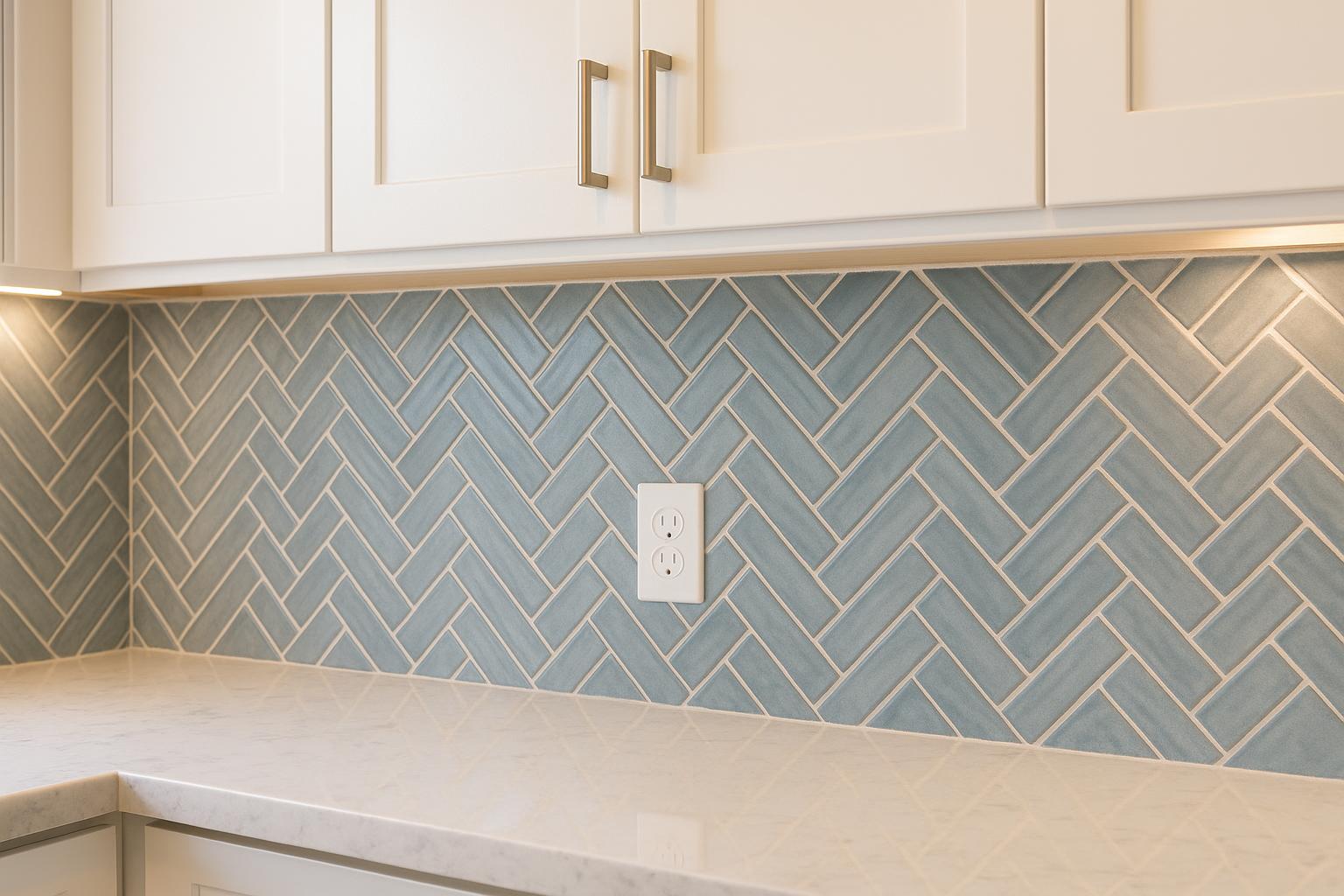
A custom tile backsplash is one of the fastest ways to change the entire feel of a kitchen. Subway tile remains a popular choice for its clean lines, but more homeowners are branching out into geometric patterns, handmade zellige tile, and bold color combinations. A well-designed backsplash ties together your countertops, cabinetry, and overall color palette in a way that paint alone can't achieve.
Bathroom Showers and Tub Surrounds
The shower is often the centerpiece of a bathroom remodel. Custom tile work here allows you to create feature walls, niches with accent tile, and seamless floor-to-ceiling designs that make even a modest bathroom feel like a retreat. In South Florida's humid climate, properly installed tile also provides critical moisture protection that other materials simply can't match.
Entryways and Mudrooms
First impressions matter. A tiled entryway — whether it's a decorative pattern or a durable porcelain in a rich tone — immediately signals quality and care. For Fort Lauderdale homes where sand, rain, and foot traffic are daily realities, tile in these transitional spaces is as practical as it is attractive.
Laundry Rooms and Utility Spaces
These often-overlooked rooms benefit enormously from custom tile floors and even simple wall tile behind sinks or appliances. It's an affordable upgrade that makes a functional space feel intentional rather than neglected.
Choosing the Right Tile for South Florida Homes
Not all tile is created equal, and the Fort Lauderdale climate adds a few considerations that homeowners in other parts of the country don't have to think about.
Porcelain vs. Ceramic
Both are popular choices, but porcelain is denser and absorbs less water, making it a stronger option for bathrooms, outdoor-adjacent spaces, and anywhere moisture is a concern. Ceramic tile works beautifully for backsplashes and accent walls where water exposure is minimal.
Natural Stone
Marble, travertine, and slate bring a timeless elegance to any room. However, natural stone requires sealing and more careful maintenance — something worth considering in a humid environment. If you love the look but want lower upkeep, porcelain tiles that mimic natural stone have come a long way in recent years.
Glass and Mosaic Tile
Glass tile catches light in ways that other materials don't, making it a popular choice for backsplashes and shower niches. Mosaic tile — whether glass, stone, or a blend — allows for intricate patterns and custom designs that make a space truly one of a kind.
Slip Resistance
In a city where wet feet from the pool or the beach are a daily occurrence, slip resistance matters. Look for tiles with a textured finish or a higher coefficient of friction rating for bathroom floors and entryways. Your contractor should be able to guide you toward options that balance safety with style.
What Separates Custom Tile Work from a Basic Installation
You can buy beautiful tile at any home improvement store. But the difference between a tile job that looks professional and one that looks like a weekend project comes down to the details.
- Layout and pattern planning: Custom tile work starts with a deliberate plan for how tiles are oriented, where cuts fall, and how patterns align with the room's architecture. A skilled installer avoids awkward slivers of tile at edges and ensures symmetry where it matters.
- Proper substrate preparation: Tile is only as good as the surface beneath it. In bathrooms especially, waterproof membranes and properly leveled substrates prevent cracking, water damage, and costly repairs down the road.
- Grout selection and spacing: Grout color and joint width have a surprising effect on the finished look. A contrasting grout can highlight a pattern, while a matched grout creates a seamless, modern appearance. The right choice depends on the tile, the room, and your personal style.
- Finishing details: Bullnose edges, mitered corners, and properly finished transitions between tile and other surfaces are the hallmarks of quality craftsmanship. These details are easy to overlook until you see a job where they were skipped.
How to Plan a Custom Tile Project
If you're considering custom tile work as part of a remodel — or even as a standalone upgrade — here are a few steps that will help the process go smoothly.
- Start with inspiration, then narrow down. Browse design sites and save images of tile work you love. When you meet with your remodeling team, these references help communicate your vision far more effectively than descriptions alone.
- Set a realistic budget. Tile costs vary dramatically — from a few dollars per square foot for basic ceramic to well over twenty dollars for premium natural stone or artisan tile. Your installer can help you find the right balance between the look you want and the budget you're working with.
- Order extra material. A good rule of thumb is to order ten to fifteen percent more tile than your measured square footage. This accounts for cuts, breakage, and future repairs. Tile dye lots can vary, so getting everything from the same batch avoids color mismatches later.
- Coordinate with other trades. If your tile project is part of a larger remodel, the timing of tile installation matters. Plumbing rough-ins need to happen first. Paint should typically come after tile. An experienced remodeling contractor will sequence everything so there are no conflicts or delays.
A Small Detail That Makes a Big Difference
Homeowners often underestimate how much custom tile work changes the feel of a room. A new backsplash can make an older kitchen feel updated without a full renovation. A beautifully tiled shower can turn a basic bathroom into a space you actually enjoy spending time in.
At Bold Exterior Remodeling, we work with homeowners across Fort Lauderdale, Pompano Beach, Wilton Manors, and surrounding communities to design and install tile work that fits their home and their lifestyle. Whether it's part of a complete kitchen or bathroom remodel or a focused tile upgrade, we handle every step — from material selection to the final grout line.
If you've been thinking about what custom tile could do for your space, we'd love to talk through the possibilities. Sometimes the smallest details make the boldest statement.